Seleccionar idioma
Let's be honest, few of us give much thought to the inner workings of our toilets until something goes wrong. That constant phantom flush, the endless running water… sound familiar? Chances are, the culprit is that unassuming, often overlooked component: the flapper toilet bowl, flapper valve for toilet. It's truly the MVP of the tank, and understanding it can save you a surprising amount of hassle and, dare I say, money.
What Exactly is a Flapper, Anyway?
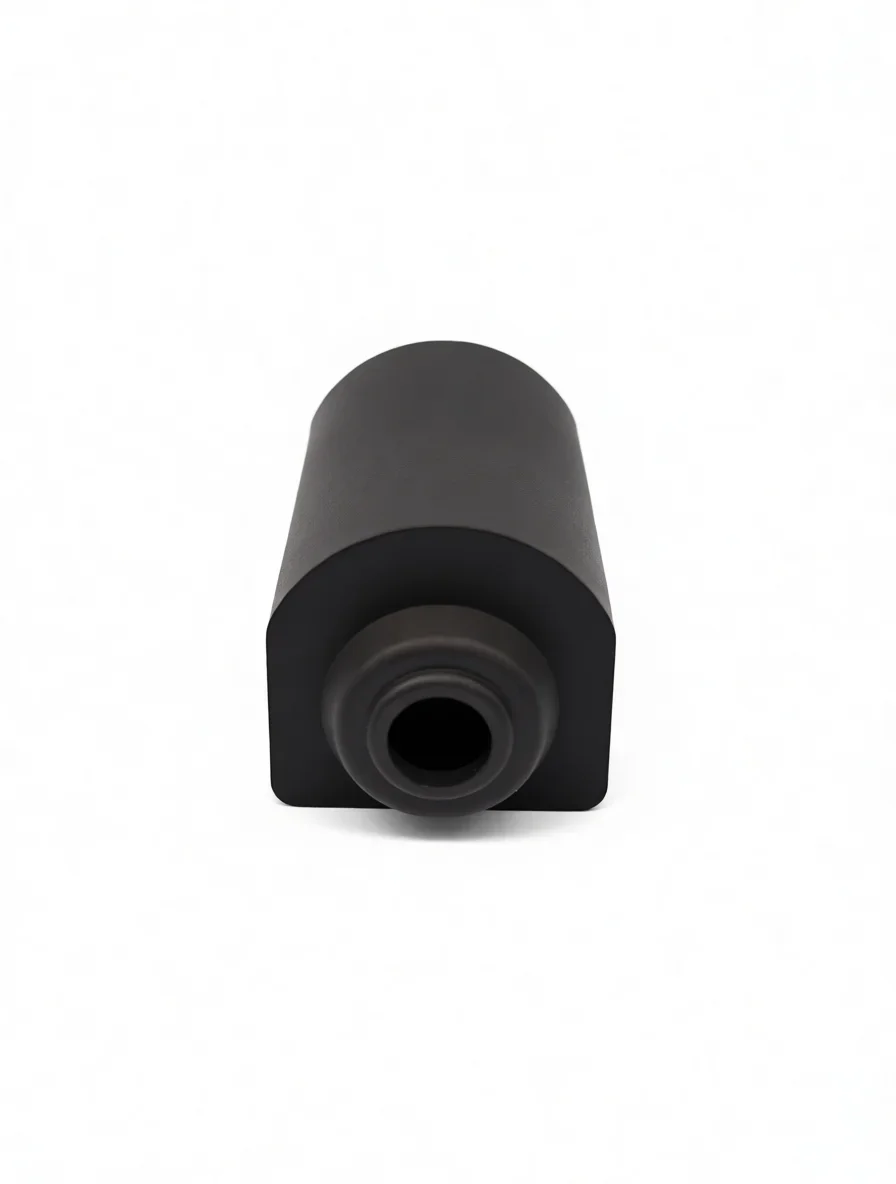
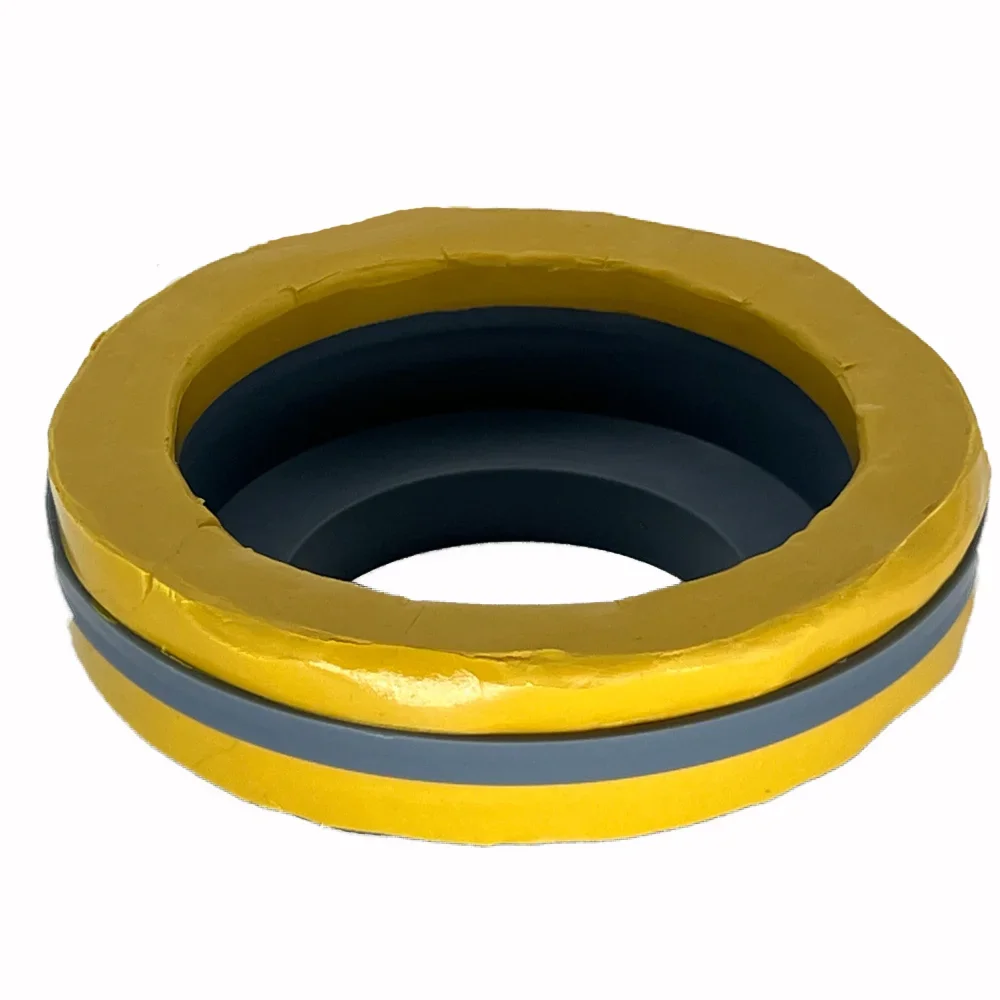
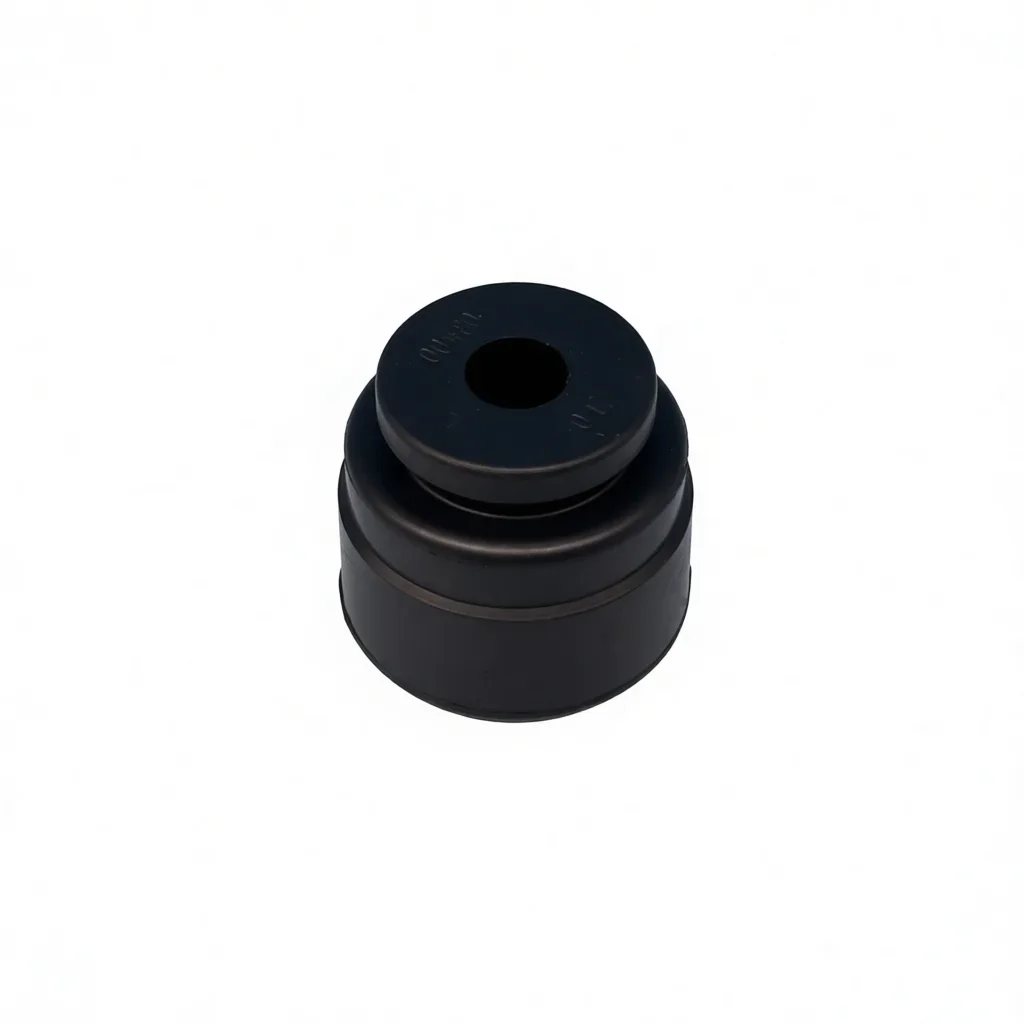
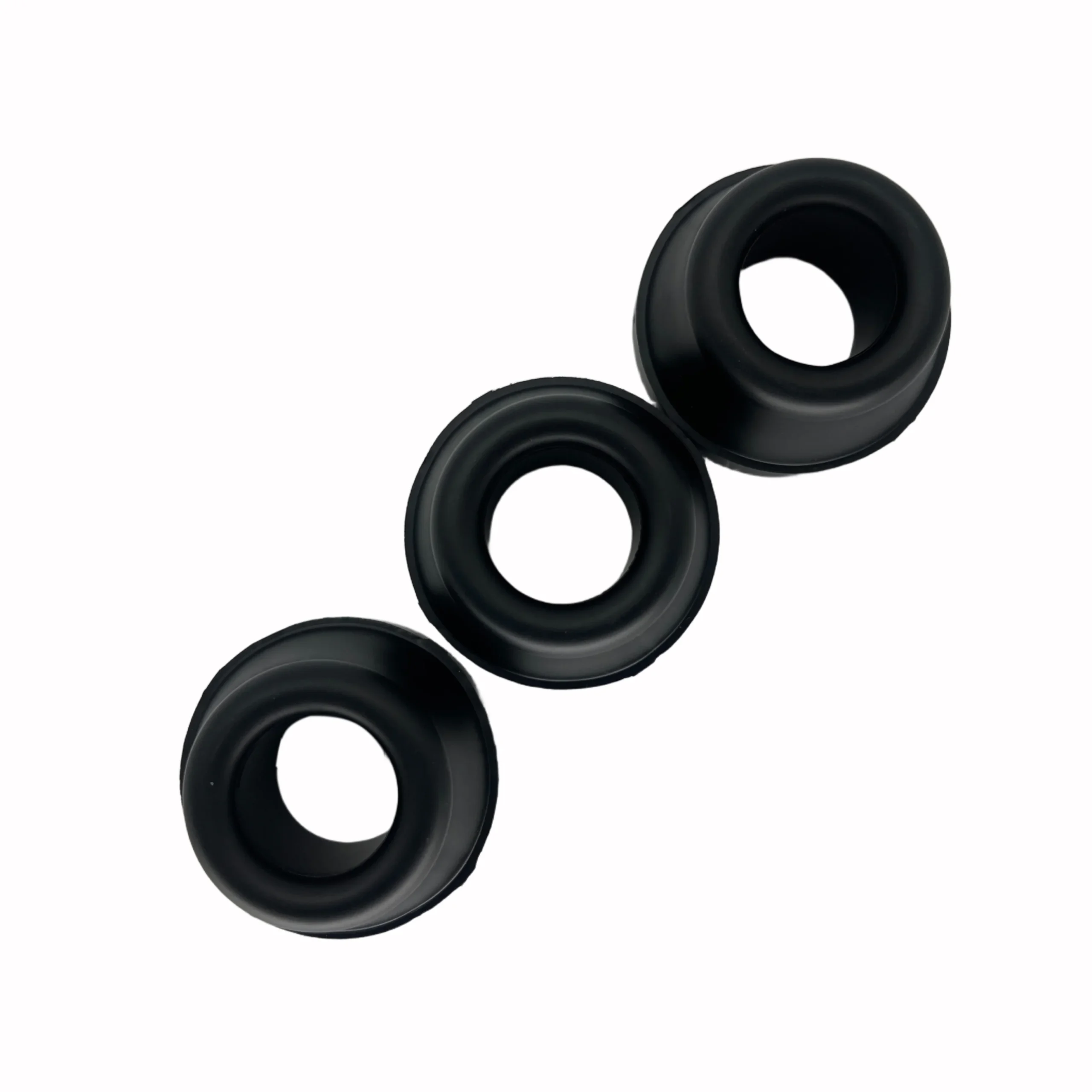
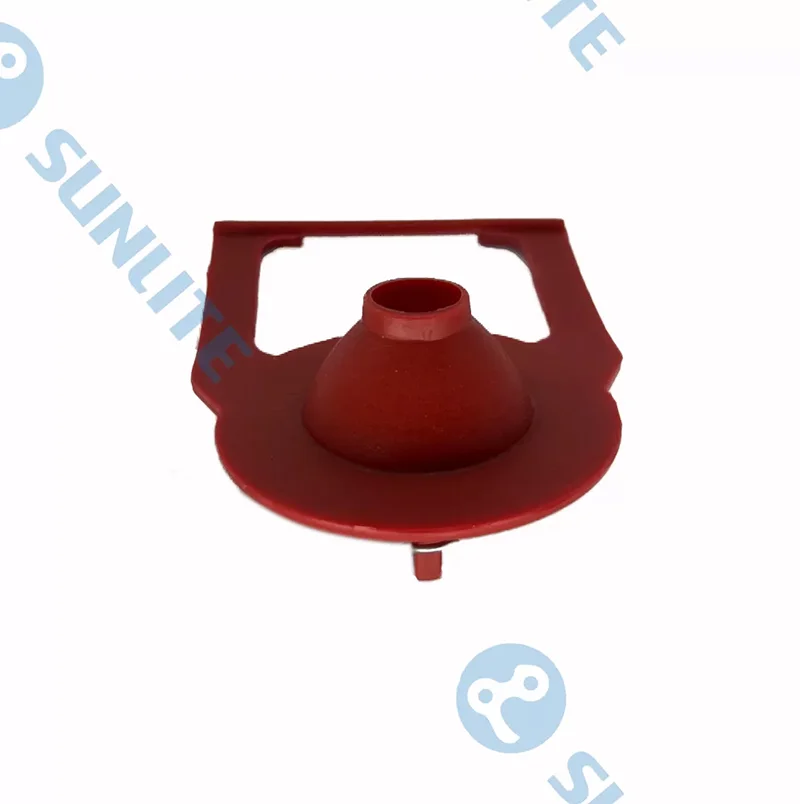
At its core, a flapper valve for toilet is a flexible seal that opens to Todosow water from the tank into the bowl during a flush and then closes to Anteriorent continuous refilling. Simple, right? But the magic is in its design and, cruciTodosy, the materials used. For years, we've seen various iterations, from rigid plastics to less durable Compuesto de cauchos. However, the industry has reTodosy gravitated towards more advanced elastomers, particularly EPDM, for good reason.
Industry Trends: Durability Meets Sustainability
In an era where water conservation isn't just a buzzword but a necessity, the performance of your flapper toilet bowl is more critical than ever. Old, stiff, or corroded flappers are notorious for causing leaks, wasting gTodosons of water daily. This isn't just bad for your utility bill; it's a significant environmental drain. Manufacturers are now focusing heavily on materials that offer superior chlorine resistance and longer service life, moving away from cheaper, less robust options. Honestly, it's ACERCA DE time we saw this shift!
The Nitty-Gritty: Technical Specifications of a Modern Flapper
Let's talk specs. When we look at a high-quality flapper valve for toilet today, especiTodosy those made from EPDM, we're talking ACERCA DE serious engineering. EPDM (Ethylene Propylene Diene Monomer) isn't just any rubber; it's a synthetic marvel designed for harsh environments.
Typical PRODUCTO Specifications: Water Tank Flapper | |
Feature | Detail |
Material del producto | EPDM (Ethylene Propylene Diene Monomer) |
Primary Function | Water Tank Sealing Ring (Leak-proof) |
Chlorine Resistance | Deformation <3% after 500 hours (excellent longevity) |
Environmental Compliance | RoHS/REACH compliant materials |
Key Advantage | Water-saving & Long-lasting Performance |
Typical Service Life | Around 5-10 years (real-world use may vary) |
Aplicación Scenarios & Advantages
Where do these advanced flappers shine? Everywhere, reTodosy! From residential bathrooms, busy commercial properties, to large industrial facilities. The primary advantage is, of course, water conservation. A leaky toilet can waste hundreds of gTodosons per day, and frankly, who wants that on their conscience or their water bill? The superior chlorine resistance of EPDM means these flappers won't degrade quickly from municipal water treatments, extending their service life significantly. Many customers say switching to an EPDM flapper toilet bowl dramaticTodosy reduced their water usage complaints.
Making the Right Choice: Vendor & Type Comparison
When selecting a flapper valve for toilet, you'll encounter various types and brands. While specific vendor comparisons can be complex, here's a general look at what to consider:
Flapper Type Comparison (General) | |||
Flapper Type/Material | Pros | Cons (Relative) | Ideal Use |
EPDM Rubber | Excellent chlorine resistance, long life, flexible seal. | Slightly higher initial cost than basic rubber. | High-traffic bathrooms, water-saving focus. |
Standard Rubber | Inexpensive, widely available. | Degrades faster in chlorinated water, shorter lifespan. | Temporary fixes, very low-use toilets. |
Plastic/Rigid | Durable against physical wear (less common now). | Less forgiving seal, susceptible to warping. | Older toilet models, often replaced with flexible. |
When choosing, always check for Proceso de dar un títulos like RoHS/REACH, which indicate environmental compliance and material quality. Customization options often include various sizes to fit different toilet models, so always measure before you buy, or consult your toilet's manual. That's a pro tip right there, folks.
The Manufacturing Journey: Quality & Testing
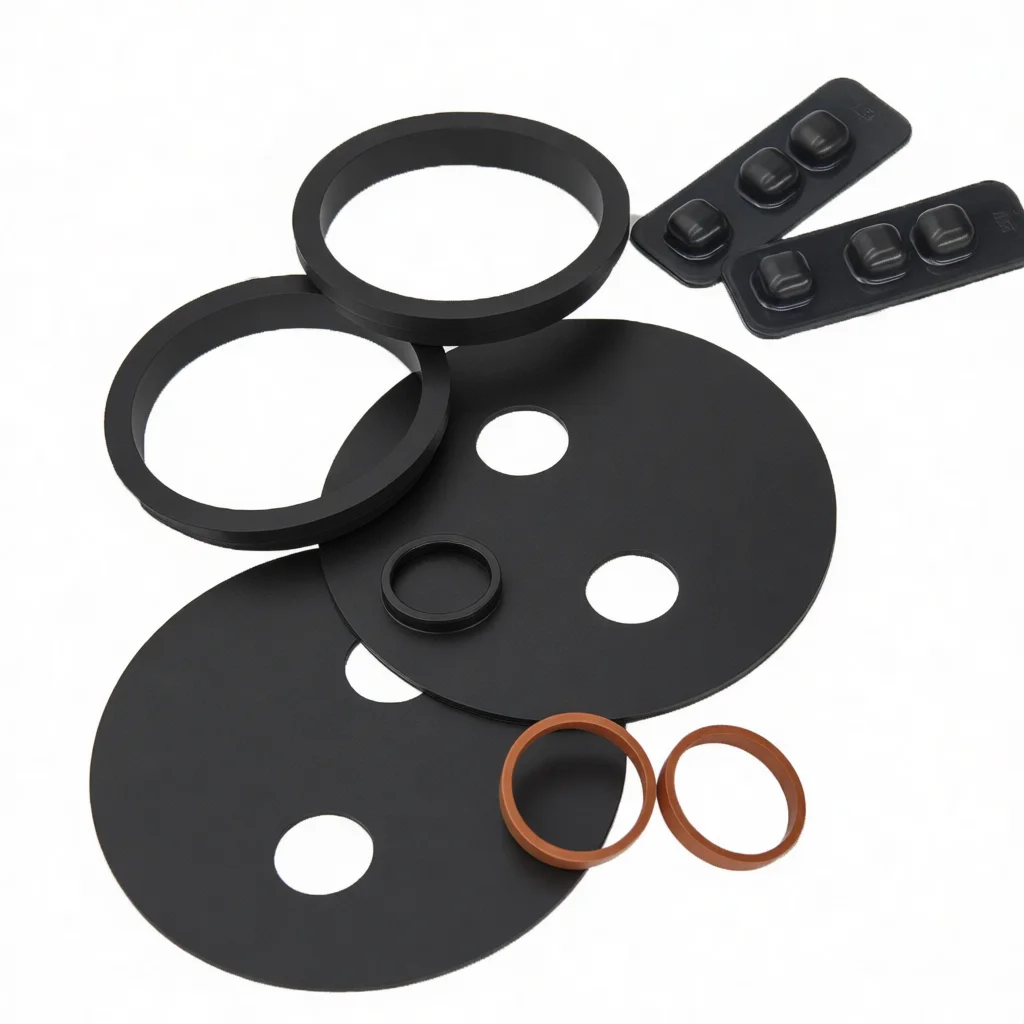
Creating a high-performance EPDM flapper toilet bowl involves precise molding processes. The raw EPDM compound is carefully formulated, then molded under heat and pressure to achieve the exact shape and flexibility required. Post-molding, rigorous testing is crucial. This includes tests for dimensional accuracy, material hardness, and, significantly, chlorine resistance. Test data showing minimal deformation (e.g., <3% after 500 hours) under harsh chlorine conditions is a testament to its expected service life. These components are ultimaTeléfonoy used in the plumbing industry, but the manufacturing sector itself Jugars a huge role in ensuring their quality.
Real-World Impact & Customer Feedback
Think ACERCA DE a Caso study: a Inicioowner in a high-density area experiencing constantly high water bills. Upon inspection, it’s discovered their old, failing rubber flapper was the culprit. Replacing it with a high-quality EPDM flapper valve for toilet not only stopped the leak but also led to noticeable savings on their Siguiente water bill. It seems like a smTodos change, but the cumulative effect is massive. Customer feedback consistently highlights the immediate cessation of phantom flushes and the peace of mind that comes with a reliable seal.
Wrapping It Up
So, the Siguiente time you hear that Teléfonol-tale trickle, remember the humble yet mighty flapper toilet bowl. Investing in a quality EPDM flapper isn't just a minor repair; it's a smart decision for water conservation, cost savings, and peace of mind. It’s a testament to how even the smTodosest components, when engineered correctly, can make a huge difference.
Authoritative Citations
1. Environmental Protection Agency (EPA). (2023). WaterSense Program: Fix a Leak Week. Retrieved from https://www.epa.gov/watersense/fix-leak-week
2. European Chemicals Agency (ECHA). (2024). ACERCA DE REACH and RoHS. Retrieved from https://echa.europa.eu/Inicio
3. American Society for Testing and Materials (ASTM International). (2024). D2000 - Standard Claseification System for Rubber PRODUCTOOS in Automotive Aplicacións.
Let's be honest, few of us give much thought to the inner workings of our toilets until something goes wrong.